
Darrell Lizamore, Bragato Research Institute
New Zealand Winegrowers and the Bragato Research Institute (BRI) have invested in the foundations of a modern grapevine improvement pipeline, securing key research and funding partnerships. Using these capabilities and resources, the development and selection of disease-resistant varieties for New Zealand conditions could help deliver and protect our sustainability credentials and expand future opportunities for our growers.
International grapevine breeding efforts have become increasingly focused on resistance to powdery and downy mildew. With the promises of fungicide reduction proved possible, and concerns about wine quality addressed, there is growing industry interest in whether newly-bred grape varieties have a place in the future of New Zealand viticulture.
Through BRI, New Zealand Winegrowers is investing in research to develop mildew‑resistant grape varieties specifically for the New Zealand wine industry. With neither native vines nor a long history of hybrid breeding, this programme depends on accelerated breeding technologies and strong research partnerships. The goal is to develop vines that perform well in New Zealand vineyards while delivering the wine quality, viticultural traits, and market fit necessary for their adoption.
What are Disease-Resistant Vines?
Internationally, vines carrying resistance genes are often known as Disease-Resistant Varieties (DRVs). These vines carry resistance genes (also called R‑genes) that help the plant recognise and defend against specific pathogens, such as mildews. Although they are called ‘disease-resistant’, even strong resistance genetics benefits from a small number of strategic sprays each season. Mildew pathogens reproduce rapidly via huge numbers of spores. If spore levels are allowed to build up, the chances that an ‘escape’ strain (rare pathogen variants that can overcome the resistance) will appear. These can rapidly become dominant in the environment. A small number of well-timed sprays helps keep spore levels low and reduces this likelihood. The realistic goal with DRVs is dramatic spray reduction and improved natural resilience, rather than completely spray-free viticulture.
Durable resistance
A core principle in modern resistance breeding is durability. Since resistance can eventually be overcome, breeders aim to stack resistance traits so that the vine inherits two or more different forms. If a mutated pathogen strain manages to evade one defence, a second or third defence prevents its spread. New Zealand’s DRV strategy will focus on combining multiple resistance genes for longer‑term performance and studying how they complement each other.
Co‑evolution and sources of resistance
The most effective resistance genes originated in grape species that evolved alongside mildew pathogens. Powdery and downy mildew resistance genes have been discovered in wild Vitis species, including:
- Vitis rotundifolia (muscadine grape; south‑eastern USA)
- Vitis rupestris, Vitis aestivalis, Vitis cinerea, and Vitis berlandieri (North America)
- Vitis amurensis (north‑east Asia)
- Vitis piasezkii (China)
- Some Vitis vinifera accessions from parts of Central and Western Asia
Breeders use these wild species as resistance donors, then gradually return the genetic background from wine grapes through repeated crossing and selection into vinifera. The result is a modern hybrid suited to high quality wine production that has retained mildew tolerance.
A key constraint for New Zealand is that many of these species have never been introduced, and importing them is a long and costly process, which limits the genetics available for breeding. We are working with the government on pathways to import a broader collection of resistance traits through advanced seed selections.
Local crossing and selection
The varieties that dominate New Zealand vineyards are long‑established European cultivars, selected centuries ago for European environments and markets. Sauvignon Blanc was documented in France by at least the late 1500s, and Pinot Noir is one of the world’s oldest cultivated grapes, tied to Burgundy.
But a variety selected overseas typically doesn’t behave the same way or produce the same wines under New Zealand conditions. Excellent genetics must be proven where the vines will eventually be grown. Grapevines are long lived perennials – their performance depends on multiyear interactions with local climate, soils, management practices, and pathogen populations.
In the same way, we can’t assume resistance genes will perform identically against New Zealand’s locally prevalent powdery mildew populations. Pathogen genetics vary by region, so imported and locally bred DRVs need to be tested against dominant New Zealand strains to identify which gene stacks are most effective and durable here.
For these reasons, BRI plans to develop crosses and selections locally. Selecting from large seedling populations grown in New Zealand reduces risk and increases the likelihood that final candidates genuinely suit our regions and production systems.
International comparisons: what has changed
Hybrid vines have suffered from the perception that they do not meet premium wine expectations. This is because early hybrids (many of which were bred over half a century ago) had a high proportion of wild genetics. Modern DRV lines are different, with many generations of crossing and backcrossing substantially increasing the proportion of vinifera genetics. Breeders can now test vines at an early stage with DNA-based tools to ensure they preserve resistance genes while maximising wine quality and viticultural traits.
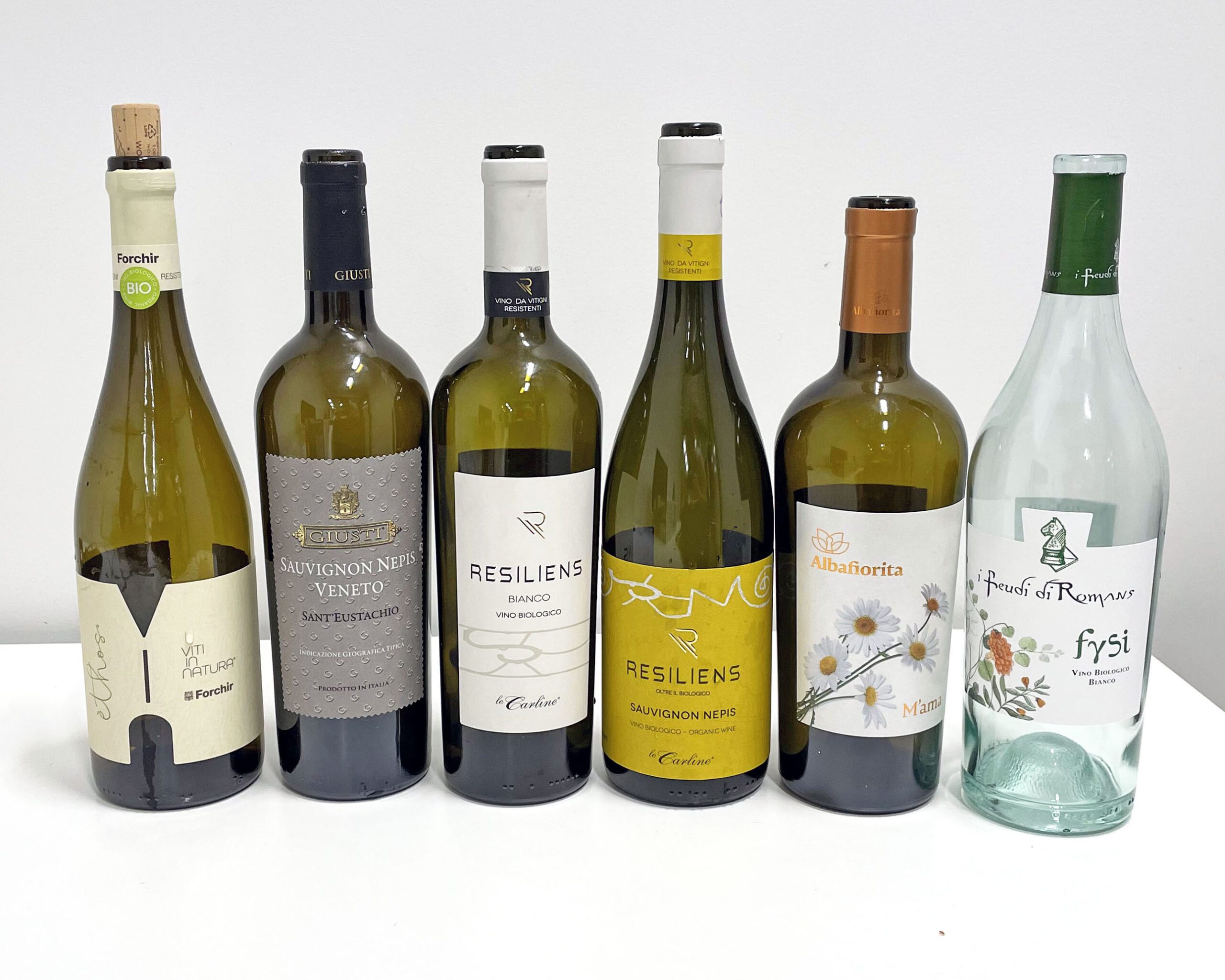
A range of European DRV wines
These improvements are driving international change. In Europe, “Fungus‑tolerant” varieties (or “PIWI” in German‑speaking regions) are moving from niche experimentation into broader trial and commercial use, and regulatory frameworks are beginning to adapt. In 2021, the EU allowed hybrid varieties to be used in wines with Protected Designations of Origin (PDO).
Since then, high‑profile appellations including Champagne and Bordeaux have updated their rules to permit inclusion of approved disease‑tolerant varieties, with a continued emphasis on regional typicity. Hybrid varietal wines are also appearing more visibly in mainstream European retail channels, helping normalise the category and reduce perceived adoption risk.
In humid cool-climate regions like New York’s Finger Lakes where mildew pressure is a major driver of production costs, locally adapted DRVs like Cayuga White have become emblematic. Public breeding programmes have also released winegrape varieties with increased cold tolerance and, recently, resistance to Pierce’s disease.
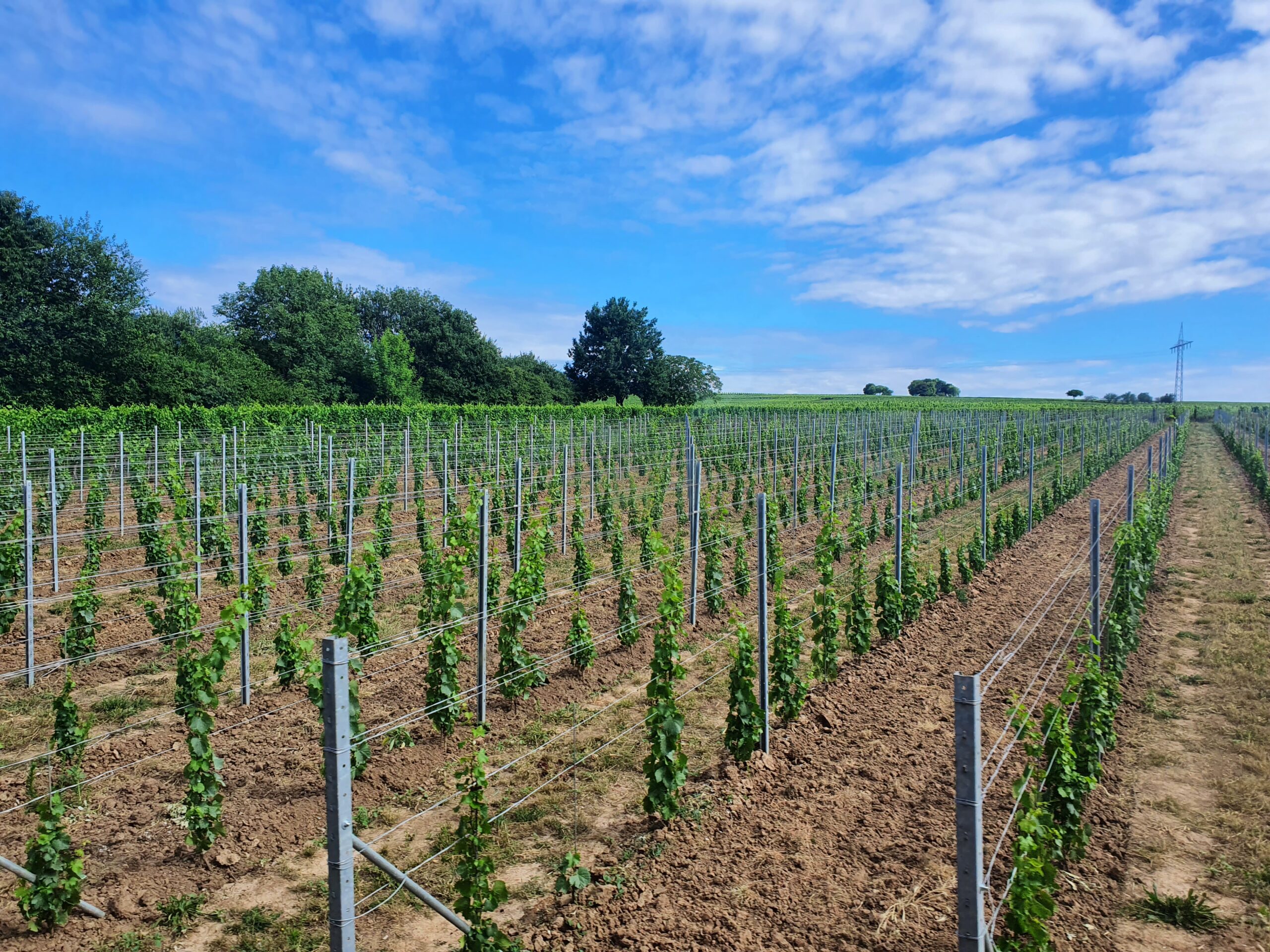
Geisenheim breeding programme (Germany)
Evolution of our DRV strategy
Shortly after BRI was established, the science team proposed two parallel approaches for acquiring disease-resistant genetics:
- Import selected commercially ready varieties with stacked mildew resistance genes and assess their performance in New Zealand, and
- Import advanced breeding material via seed for use in local breeding crosses.
At the time, no specific funding was allocated to alternative varieties while the industry prioritised clonal improvement. While in the multi‑year queue for quarantine space, BRI discussed both approaches with European breeders. It became clear that these breeders were looking for commercial distribution partners, not research collaborators, for finished varieties, and that these varieties were technical dead-ends for further improvement via breeding or clonal selection due to propagation agreements. Fortunately, by the time quarantine space became available, nurseries in New Zealand had progressed their own plans to import selected European DRVs.
This has enabled BRI to focus levy-funded research on building a local breeding pipeline while supporting rather than competing where nurseries are already investing.
The seed-based approach focuses on increasing grapevine genetic diversity in New Zealand and making selections locally. This takes advantage of comparably efficient quarantine pathways for seed as a more cost-effective way to address the import bottleneck. Selecting from thousands of locally grown seedlings also reduces reliance on a handful of imported genotypes being perfectly suited to New Zealand.
While grapevine breeding takes decades, some modern breeding material already carries advanced resistance combinations in a genetic background that is mostly vinifera. Through collaborative partnerships, New Zealand researchers can leverage this international progress and reduce the number of crossing cycles needed.
Leveraging the SB2.0 platform to accelerate progress
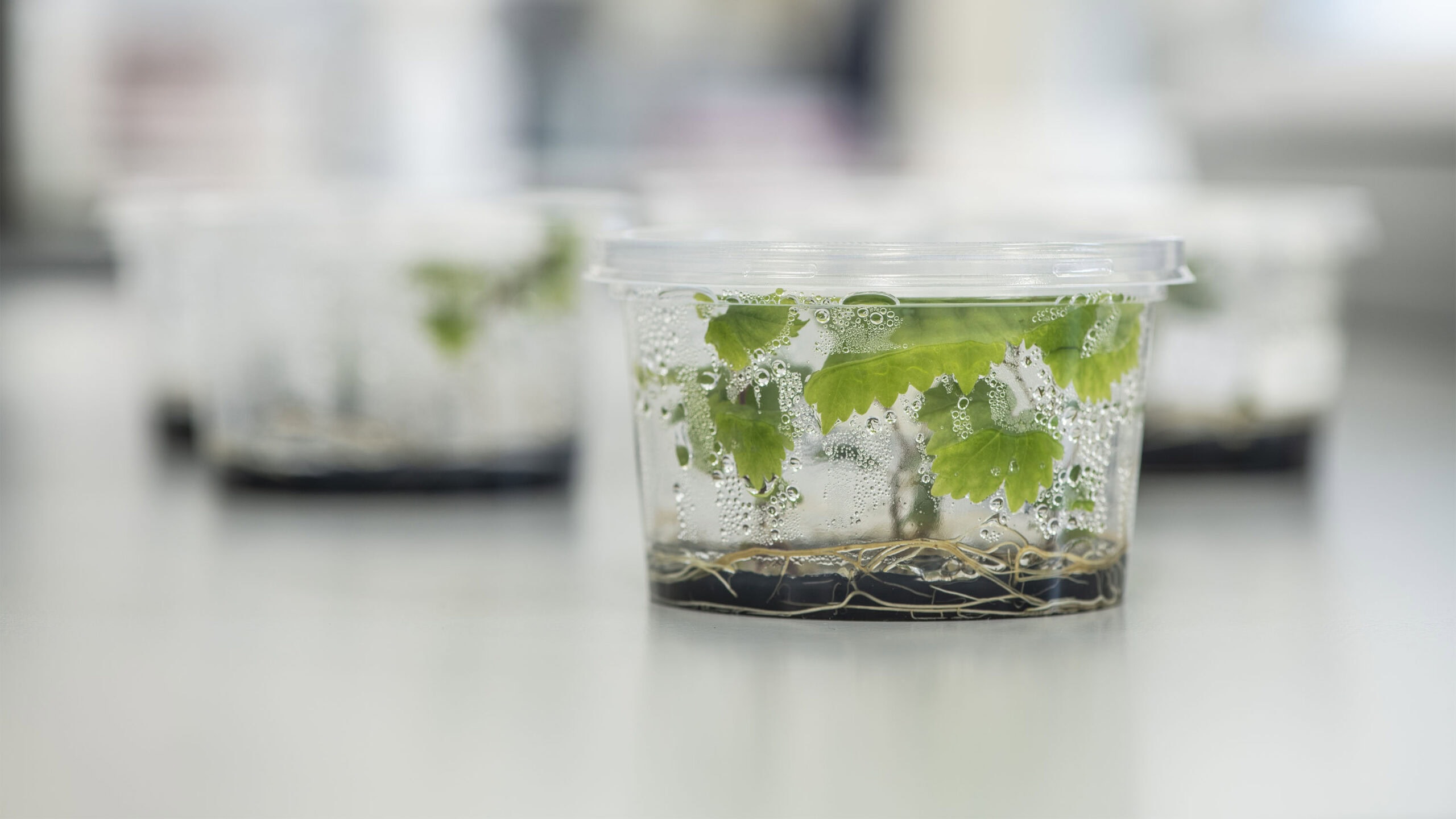
New Zealand now has the core capabilities for a modern grapevine improvement pipeline, established by SB2.0. Future DRV breeding will be done by trained local scientists with expertise in managing juvenile vines, accelerating their maturity, and applying an automated process to accurately measure resistance traits. The new plantlets will be housed in an established, secure breeding vineyard that is readily accessible. Strong relationships with industry partners will keep progress aligned to long-term winegrower needs, and international collaborators will connect the work to international best practice and provide access to advanced breeding material.
Partnering with the Bioeconomy Science Institute (BSI)
The plan is to bring together the best local teams by partnering with the Bioeconomy Science Institute (BSI, formerly Plant & Food Research). It means that the researchers will have access to shared resources across the two institutes. BRI’s grapevine improvement lab is now co-located on the BSI campus in Lincoln, strengthening ties between the institutes.
What about commercially ready DRVs?
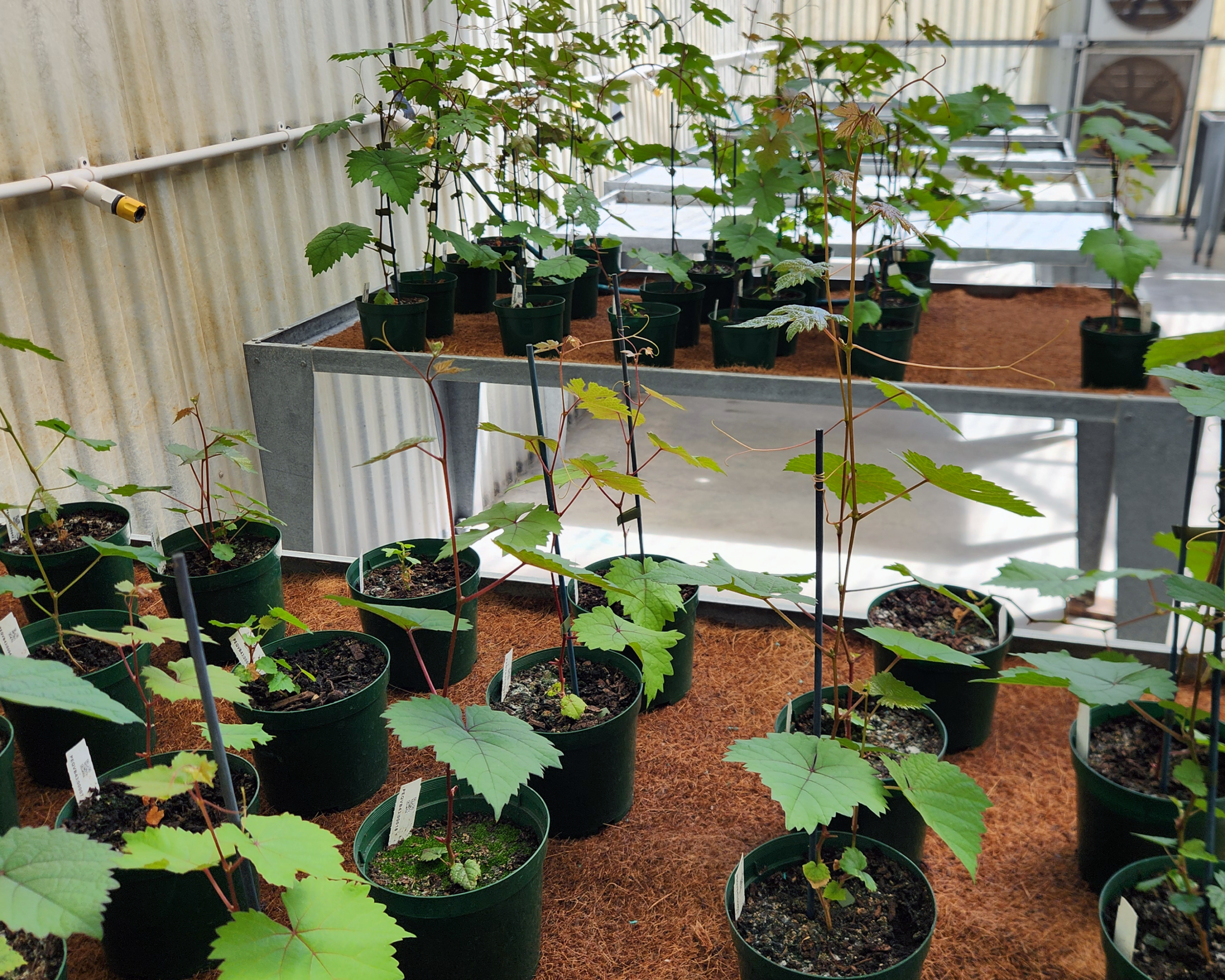
DRV seedlings imported from Europe
Current commercial DRVs offer potential “early access” to lower input viticulture. Like Sauvignon Blanc, some may ultimately produce outstanding wines in our environment, but that needs to be demonstrated under local conditions. BRI is strongly supporting local efforts to import and assess commercial DRVs from overseas breeding programmes.
That support includes wider industry education about the topic and influencing government decisions about co-investment and biosecurity, as well as contributing scientific expertise in genetic testing, mildew susceptibility scoring, viticulture trials and research-scale winemaking.
Adoption factors: what will matter most in New Zealand
Several factors will likely determine whether DRVs succeed or fail in New Zealand. Obviously, new varietal wines must meet (and ideally amplify) the quality expectations and market position New Zealand wines have established. Initially, this will drive selection criteria towards fresh, aromatic white wines. An advantage of that approach is that these wines might find an easier route to market adoption through blending with existing varietals or providing alternative wine offerings.
But before any replanting commitments are made, new varieties will need to prove that they fit the viticultural systems that growers and nurseries have optimised. This includes the right phenological timings in our growing regions (or suitability to currently unplanted areas), canopies that can be managed economically, reliable high yields, and amenability to grafting.
Finally, building consumer confidence will depend on the story winegrowers tell and its authenticity. The goal of modern DRV breeding has been to boost sustainability, reducing chemical use and tractor passes, which suits our market position well. We will need to support this with evidence for how selected new varieties perform under New Zealand conditions. Doing this successfully relies on close industry-research partnerships, which is what BRI was set up to create.
New Zealand wine has built a global reputation through our distinctive place and the courage to take the initiative. Disease‑tolerant vines extend that innovation by opening the door to high‑quality wines made with fewer inputs and lower operating costs.
DRV vine uptake internationally
| Country | Latest uptake metric | Share of vineyards | Recent change (≈3–5y) | Policy / market signal |
| Germany | ~3,500 ha PIWI (2024) | 3.50% | +10% vs 2023; Souvignier Gris ~600 ha | PIWIs tracked in national stats; steady mainstreaming |
| Switzerland | >500 ha PIWI (2023) | 3.50% | Divico +12.8%; Souvignier Gris +31% (2023) | Rapid canton uptake (Lucerne ~40% PIWI); official stats referenced |
| Austria | 883 ha PIWI | 2.00% | Strong regional skew (Tyrol 54%, Upper Austria 25%) | PIWI permitted in Qualitätswein; adoption driven by new plantings |
| Italy | ~2,000 ha estimate; ~4M PIWI grafts (2022) | <0.3% | Bottles 766k (2022) → 934k forecast (2023) | 36 PIWI varieties registered; 165 wineries/290 PIWI wines (2023) |
| France | Voltis trial in Champagne: <10 ha planted (by 2025) | ~0% | First AOC PIWI plantings began 2023 (~5 ha) | Champagne trial: up to 5% planting + 10% blend |
| USA | No national PIWI stats; hybrids concentrated in cold-climate states | (varies) | Colorado hybrids ~1% (early 2000s) → ~20% today | AVAs allow hybrids; adoption climate-driven |
| Canada | Ontario: hybrids 38% of grape yield | (varies) | Ontario expanded VQA grape list (24 new grapes, 2025) | VQA sales $433.6m (202 |